
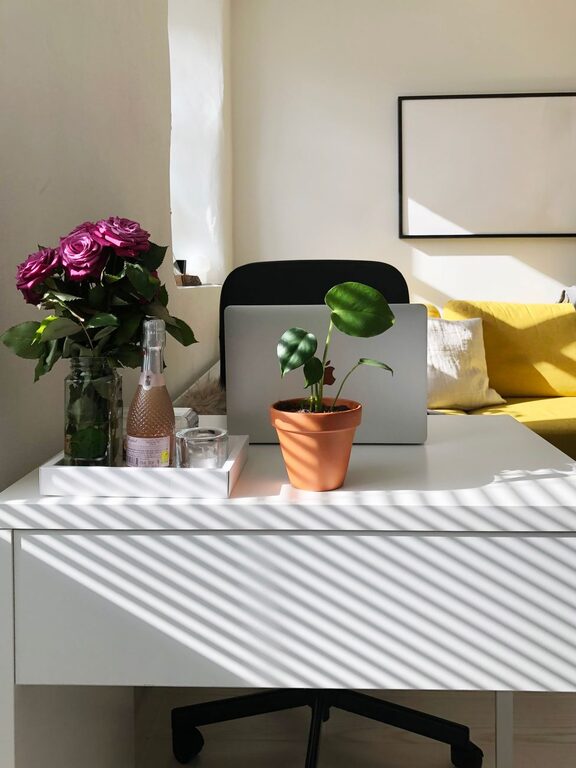
Creating a relaxing home workspace can make a significant difference in how productive and comfortable you feel throughout your workday. Whether you work remotely full-time, freelance, or occasionally handle tasks at home, a well-designed space can help reduce stress and improve focus. This post will guide you through practical tips to craft a calming, efficient workspace that suits your needs.
Why a Relaxing Workspace Matters
Your environment strongly influences your mindset and efficiency. A cluttered or uncomfortable space can increase distractions and fatigue. On the other hand, a workspace that feels peaceful and inviting supports concentration, creativity, and overall well-being. By prioritizing comfort and organization, you can set yourself up for success.
Choose the Right Location and Lighting
Finding Your Ideal Spot
Select a location in your home that offers enough room and minimal distractions. Ideally, choose a quiet area away from high-traffic zones. If possible, separate your workspace from areas associated with relaxation, such as the living room or bedroom, to help maintain work-life balance.
Maximize Natural Light
Natural light can boost your mood and energy levels. Position your desk near a window to benefit from daylight, but be mindful of glare on screens. If natural light is limited, invest in soft, adjustable lighting that doesn’t strain your eyes. Task lighting, like a desk lamp with adjustable brightness, is a smart addition.
Invest in Ergonomic Furniture
Comfort is key when it comes to furniture. An ergonomic chair with proper lumbar support reduces back strain during long hours of sitting. Pair it with a desk at the right height so your arms rest comfortably while typing. Standing desks or adjustable workstations are great if you want to alternate between sitting and standing, promoting better posture and circulation.
Personalize Your Workspace Tastefully
Adding personal touches can make your workspace more inviting and motivate you to spend time there. Consider incorporating plants, which not only add a splash of color but also improve air quality and create a calming atmosphere. Avoid overcrowding surfaces with too many items; aim for a balance between personality and neatness.
Keep Your Workspace Organized
Clutter can quickly become a productivity killer. Use organizers, shelves, or drawers to keep supplies and documents neatly stored. Label containers or folders to find things easily. Try the “clean desk policy” at the end of each day to clear your workspace. An organized area reduces distractions and helps maintain a clear mind.
Incorporate Soothing Colors and Textures
Colors can influence mood and energy. Soft, neutral tones like light blues, greens, or pastels often promote calmness and focus. Avoid overly bright or harsh colors that may cause anxiety or overstimulation. Complement colors with cozy textures, such as a comfortable rug or cushioned chair, to make the space warm and inviting.
Manage Noise Levels for Focus
If noise tends to disrupt your work, explore ways to control it. Noise-cancelling headphones can be a lifesaver when working in noisy environments. Playing background music or ambient sounds like white noise can help some people concentrate better. Alternatively, consider adding soft furnishings like curtains or rugs that absorb sound.
Optimize Technology Setup
Arranging your technology thoughtfully can ease daily tasks. Keep cables organized with clips or holders to prevent tangling. Position your monitor at eye level to reduce neck strain. Use wireless accessories to minimize clutter. Make sure you have good internet connectivity and all necessary tools readily accessible.
Schedule Breaks and Movement
A relaxing workspace supports not only work but also healthy habits. Incorporate reminders to take short breaks to stretch and move around. You could place a small area for quick exercises or simple stretches nearby. Regular breaks refresh your mind, reduce fatigue, and contribute to sustained productivity.
Final Thoughts
Designing a relaxing home workspace is about creating an environment that helps you focus comfortably and feel at ease. With thoughtful choices in location, lighting, furniture, and organization, you can transform a simple corner into a productive sanctuary. Remember to listen to your needs and adjust your space as you go along — your productivity and comfort depend on it!
—
By following these tips, your home workspace will become a place where you can work joyfully and efficiently every day. Happy decorating!