
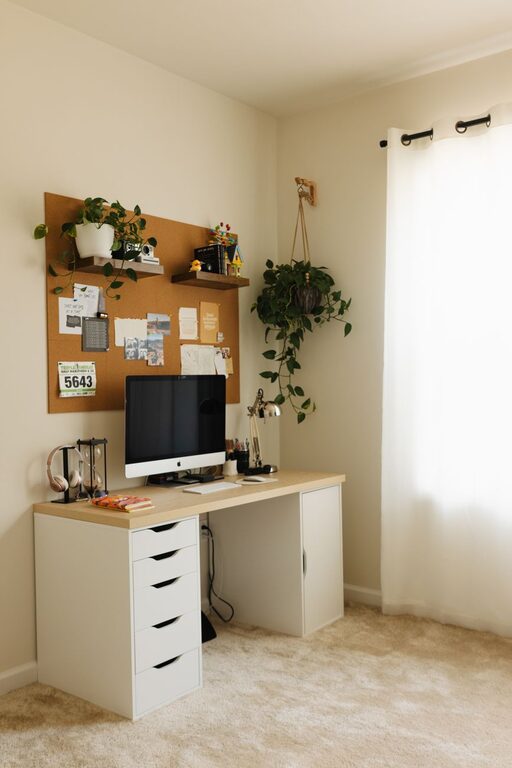
Creating a relaxing home workspace environment can significantly improve your focus, creativity, and overall well-being. With more people working from home, it’s essential to design a space that promotes calmness while encouraging productivity. In this post, we’ll explore practical tips for setting up a soothing and efficient home workspace.
Why a Relaxing Workspace Matters
A tranquil workspace helps reduce stress and mental fatigue. When your environment supports relaxation, it’s easier to stay motivated and maintain a positive mindset throughout your workday. An organized, pleasant area can also minimize distractions, allowing you to concentrate on your tasks.
Choosing the Right Location
The first step is selecting a spot in your home that suits your work style and needs.
Consider Natural Light
Working near a window provides natural light, which can boost mood and energy. Aim for a location with plenty of daylight but avoid direct glare on your screen. If this isn’t possible, use soft artificial lighting that mimics daylight.
Minimize Noise and Distractions
Choose a quiet area away from common household traffic. If noise is a problem, consider using noise-canceling headphones or a white noise machine to create a peaceful atmosphere.
Organizing Your Workspace
Clutter can cause stress and reduce efficiency, so keeping your workspace tidy is key.
Declutter Regularly
Only keep essential items on your desk. Store papers, supplies, and personal items in drawers or shelves to maintain a clean surface.
Use Functional Storage
Invest in organizers like trays, filing cabinets, or baskets to keep everything organized and accessible. Label containers to quickly find what you need.
Selecting Comfortable and Ergonomic Furniture
Your body comfort directly impacts your ability to work calmly and effectively.
Ergonomic Chair and Desk
Choose a chair that supports your posture with adjustable height and lumbar support. A desk at the correct height helps prevent strain on your wrists and shoulders.
Add Comfort Accessories
Consider using a footrest, monitor riser, or keyboard tray to enhance comfort. A seat cushion or wrist support pads can also make a big difference.
Creating a Calming Atmosphere
Beyond functionality, your workspace should feel inviting and relaxing.
Incorporate Soothing Colors
Soft, neutral tones like light blues, greens, or pastels create a calming vibe. Avoid overly bright or dark colors that may cause eye strain or anxiety.
Personalize Mindfully
Adding a few personal touches—such as photos, artwork, or plants—can make your space feel more welcoming. Be careful not to overcrowd your desk with too many items.
Bring Nature Indoors
Houseplants are excellent for enhancing air quality and adding a touch of nature, which helps reduce stress. Choose low-maintenance plants if you don’t have a green thumb.
Managing Technology and Cables
Technology can either enhance or detract from your workspace calm.
Keep Cords Organized
Use cable organizers, clips, or sleeves to prevent tangled wires. A neat setup is visually appealing and easier to maintain.
Limit Digital Clutter
Keep only necessary devices on your desk. Manage digital notifications to avoid constant interruptions that disrupt your focus.
Establishing a Workspace Routine
A routine reinforces the habit of using your space for work and creates clear boundaries.
Regular Cleaning
Schedule time each week to clean and organize your workspace. A tidy space helps keep your mind clear.
Daily Start and End Rituals
Begin your day by setting up your workspace and end by clearing away work materials. This signals the start and finish of your workday, supporting balance.
Enhancing Relaxation with Additional Elements
Small touches can further enhance the relaxing quality of your workspace.
Use Aromatherapy
A diffuser with calming scents like lavender or eucalyptus may promote relaxation and reduce stress.
Play Soft Background Music
Gentle instrumental music or nature sounds can create a peaceful ambiance without causing distraction.
Final Thoughts
Creating a relaxing home workspace environment is about balancing comfort, organization, and aesthetics. By thoughtfully choosing your location, decluttering, using ergonomic furniture, and adding calming touches, you can build a space that supports both your productivity and well-being. Remember, small, consistent changes often have the biggest impact—start with what feels manageable and adjust as needed to suit your preferences.
—
A well-designed home workspace not only helps you work more efficiently but also makes your day more enjoyable. Try these tips and transform your working area into a calm, inspiring place to be.